
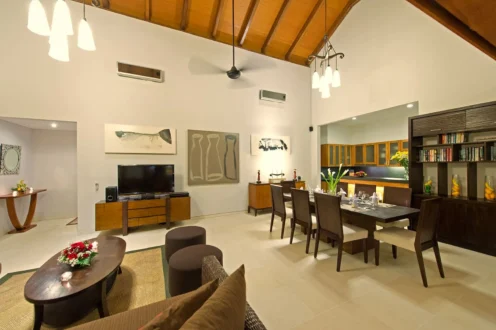
Live Like Royalty: Why a Seminyak Private Estate Beats a 5-Star Hotel
In many Southeast Asian cultures, the phrase Taw Win signifies royalty. It represents a standard of living reserved for kings and queens—private, opulent, and attended to by dedicated staff. While modern 5-star hotels offer luxury, they rarely offer this “royal” standard of privacy. This is why discerning travelers are upgrading to a luxury Bali family villa.
1. The Luxury of Seclusion
True luxury is the absence of other people. In a hotel resort, no matter how expensive the room, you are sharing the pool, the lobby, and the dining space with hundreds of strangers. A private estate flips this dynamic. The entire grounds are yours.
When you book a dedicated estate, the boundaries of your world expand. You have your own high walls ensuring total privacy, your own tropical gardens, and a pool that is exclusively for your use. It is a sanctuary where you can truly disconnect from the world.
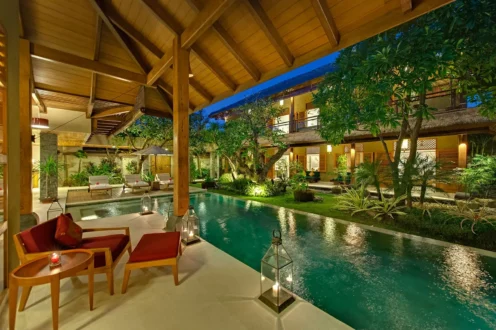
2. Service That Anticipates Your Needs
At a hotel, service is reactive—you call the front desk, and they send someone. At a luxury estate, service is intuitive. You have a dedicated team, including a private chef and butler, who learn your preferences.
Do you like your coffee served by the pool at 7 AM? Do the kids need a specific snack in the afternoon? The staff at a private estate are there solely for you. This personalized attention is what elevates a vacation from “great” to “unforgettable.”
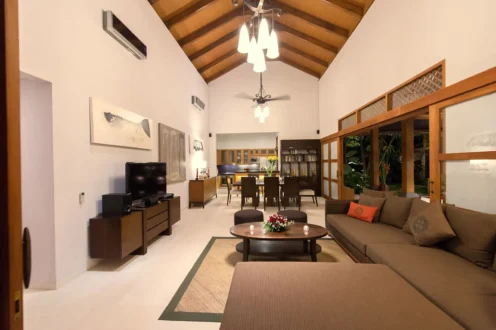
3. The Crown Jewel: Villa Kinaree Estate
For those seeking this level of royal treatment in Bali, the Villa Kinaree Estate is the premier choice. Situated in the heart of Seminyak, it offers the grandeur of a palace with the warmth of a home.
With its vast living pavilions, oversized ensuite bathrooms, and a team of staff ready to cater to every whim, Villa Kinaree defines the Seminyak private estate experience. It is not just accommodation; it is your own private kingdom for the duration of your stay.

Southeast Asia Travel Checklist: 3 Things You Must Not Forget
Southeast Asia is a region of incredible diversity, from the temples of Myanmar to the beaches of Bali. However, the logistics of traveling here can catch unorganized travelers off guard. Before you pack your bags, ensure you have these three essentials covered.
1. The Right Travel Insurance
It sounds obvious, but many travelers skimp on insurance or rely on basic credit card coverage that may not be sufficient for Asia. You need a policy that covers medical evacuation and, crucially, motorbike accidents (if you are licensed). Medical care in international hospitals in the region is excellent but expensive.

2. Visa Requirements
Visa rules in Southeast Asia are constantly evolving. While Thailand might offer visa-exemption, Indonesia might require a Visa on Arrival (VoA). Never assume the rules are the same as your last visit.
For a comprehensive overview of current travel advisories and entry requirements across the region, we recommend checking the Smartraveller website. It provides government-vetted safety and entry information that is updated regularly.

3. Cash is Still King
While digital nomad hubs in Bali accept Apple Pay, much of Southeast Asia still runs on cash. Street food vendors, local transport, and small entrance fees to temples will require local currency. Always carry a mix of small notes. Relying 100% on cards will eventually leave you stuck in a situation where you cannot pay for a vital service.
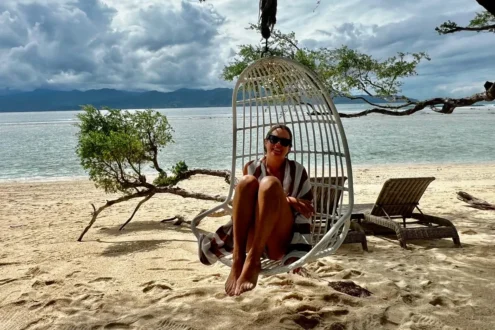
In our fast-paced Western lives, we are ruled by the clock. We rush from meeting to meeting, and even on holiday, we rush from attraction to attraction. But in Indonesia, there is a different concept of time: Jam Karet, or “Rubber Time.”

1. What is Rubber Time?
Rubber Time means that time is flexible. If a meeting is set for 10:00 AM, it might happen at 10:15 or 10:30, and nobody gets stressed about it. While this can be frustrating for type-A personalities at first, it is actually a secret ingredient to a relaxing holiday.
Embracing Jam Karet means letting go of strict itineraries. It means lingering over breakfast because the conversation is good, or watching the sunset until the very last light fades, without worrying about your dinner reservation.
2. Where to Practice “Slow Travel”
Bali is designed for this slower pace. The best way to experience it is to find a quiet warung (local cafe) overlooking a rice field in Canggu or Ubud. Order a fresh coconut, put your phone away, and just watch the farmers work or the wind blow through the palms.
By adopting this mindset, you stop ticking boxes and start making memories. You realize that the best moments often happen in the unplanned gaps between events.

3. The Health Benefits of Slowing Down
Disconnecting from the “rush culture” has proven health benefits, lowering cortisol levels and improving sleep. Use your Bali trip as a detox not just for your body, but for your mind. Allow yourself the luxury of boredom—it is often where creativity and true relaxation are found.